Whose Responsibility Is It to Teach Us to Be Kind?
I was involved in some email correspondence the other day after requesting price quotes from several vendors. One company responded almost immediately, and I booked their services. The others replied the following day.
When those later emails arrived in my inbox, I was tempted to simply ignore them. After all, I had already found someone. The matter was settled.
But I sat there at my computer for a moment, looking at the emails and thinking about it. I typed out a reply: “Thank you for getting back to me. I’ve since found someone, but I will keep your contact information for future needs.”
It took less than a minute.
I could have chosen not to respond. In today’s world, ghosting has become so common that many people almost expect it. But something in my moral fiber told me that would be rude. More importantly, it would not reflect the kind of business etiquette, communication, and respect I would want if the tables were turned.
So I pecked out a two-line response and moved on with my day. It was a small act, perhaps, but behind it was a much larger lesson about manners.
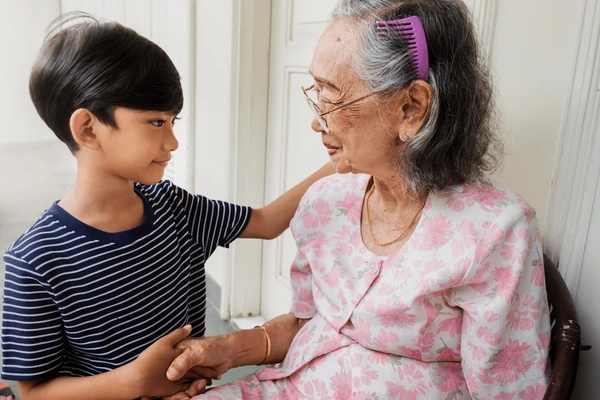
Civility Is Passed Person to Person
Much of what we recognize as good manners is not learned from books. It is learned through countless small interactions with people we encounter throughout our lives. For example, I know how to properly navigate a seven-course table setting because a junior high school teacher once took a few minutes during a break to show me. A group of us would spend time in her Home Economics classroom, and one day she simply demonstrated how it was done.
Many of the manners and social skills I carry with me today came from similar moments. Someone, somewhere, took a few minutes to demonstrate what respect, courtesy, or professionalism looked like in practice. Often, it was not a parent, family member, or close friend. It was simply a person who chose to share what they knew.
That’s how civility works. It moves from person to person through moments that seem insignificant at the time, yet collectively shape the culture around us. Whether it is writing a thank-you note within 24 hours, returning a phone call, holding a door, or responding to an email even when you no longer need what is being offered, these small acts are the building blocks of a respectful community.
A Teachable Moment in Every Interaction
Everywhere you turn, people have something to say about declining manners, poor customer service, and a growing lack of consideration for others. Before we complain about the state of society, perhaps we should ask ourselves a more difficult question: Are we modeling the very behaviors we wish we saw more often? Are we demonstrating consideration, communication, patience, and kindness in our own daily interactions?
These skills are not learned by watching endless social media reels. They are learned through repeated human interactions until courtesy becomes a habit.
My Home Economics teacher probably never imagined that a brief lesson would stay with me for decades. Likewise, taking a moment to respond to a vendor who didn’t get the job cost me nothing, but it demonstrated the kind of courtesy I hope continues to exist in the world.
Every conversation, every interaction, and every small moment presents an opportunity to model the kind of humanity we hope to see in others. So pause for a moment. Send the reply. Hold the door. Say thank you. Your example may become a teachable moment for someone else, creating a ripple of kindness that extends far beyond what you will ever see.