We Say We Miss Human Connection. But Are We Making Space for It?
We complain often about the state of human interaction today. People are disconnected, we say. Distracted. Buried in their phones. Yet we rarely pause to consider the role we personally play in the disappearance of everyday connection.
I make a deliberate effort to present myself in public as someone open to interaction. I do not walk around with earbuds in my ears. My phone is not constantly in my hand. Most of the time it is buried somewhere in the black hole of my purse, forgotten until I actually need it.
As a Gen X woman, I remember when the house phone could ring at 8:00 in the morning while I was ten miles away at work, and I wouldn’t know someone had called until I got home eight hours later. That was simply how life worked. For the past year, I’ve intentionally turned off the volume and silenced about 75 percent of my phone notifications. My philosophy has become simple: I’ll get to it when I get to it.
This isn’t because I’m antisocial or indifferent to others. Quite the opposite. I’m what people might call a high-functioning empath, someone deeply attuned to the emotional weight of spaces and the people in them. Being out in the world takes real emotional energy because I absorb more than the average person. I might forget names, but I rarely forget the emotional atmosphere of a room: the quiet disagreement in the corner, the man at the table weighed down by stress, the woman in the restroom glowing after a promotion. I process the feeling of spaces. If anyone had an excuse to lean fully into introversion and adopt a “do not bother me” posture, it would be me.
And yet I believe it’s deeply disrespectful to the human experience to move through shared spaces as if we’re closed off to the people in them. So I choose openness, even when it costs me.
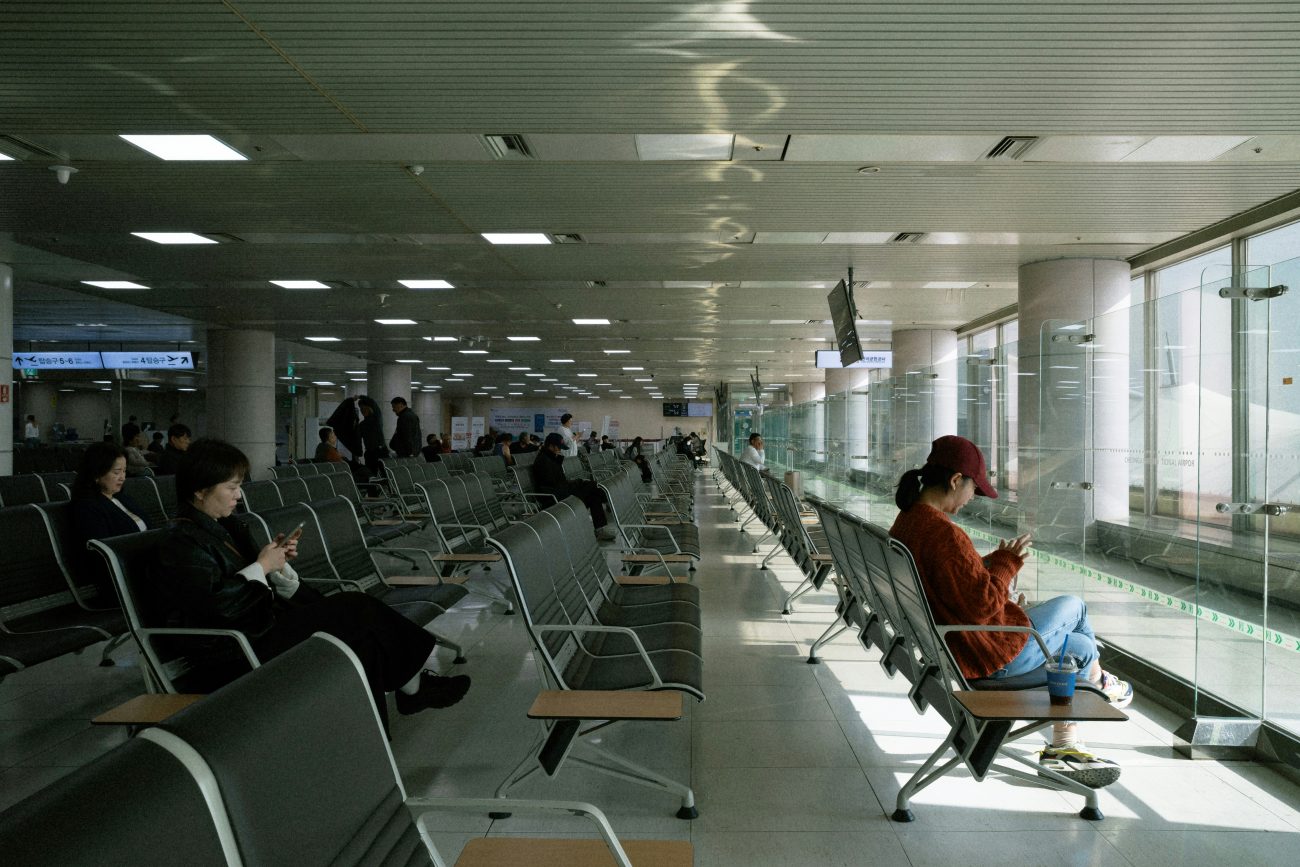
Although I have to retreat to my quiet cave and regroup for days afterward, I’ve had some of my most memorable and enjoyable spontaneous human interactions while standing in line at the grocery store or sitting in an international airport boarding area where language barriers allowed only the most basic but genuinely connected conversation.
Those moments remind me of what we claim to want but actively avoid. We say we miss human connection. We say the world feels colder. But when faced with the actual opportunity, we hesitate. Consider: what would happen if you open yourself up for conversation while waiting at the drugstore for your prescription and another customer spends the next fifteen minutes describing their journey through three different doctors before the current one finally identifies their problem?
Did you die from that moment? No.
Did you learn something about persistence? Possibly.
Did you experience a small, organic moment of human connection that feels increasingly rare? Absolutely.
We cannot mourn the loss of connection while simultaneously refusing to participate in it.
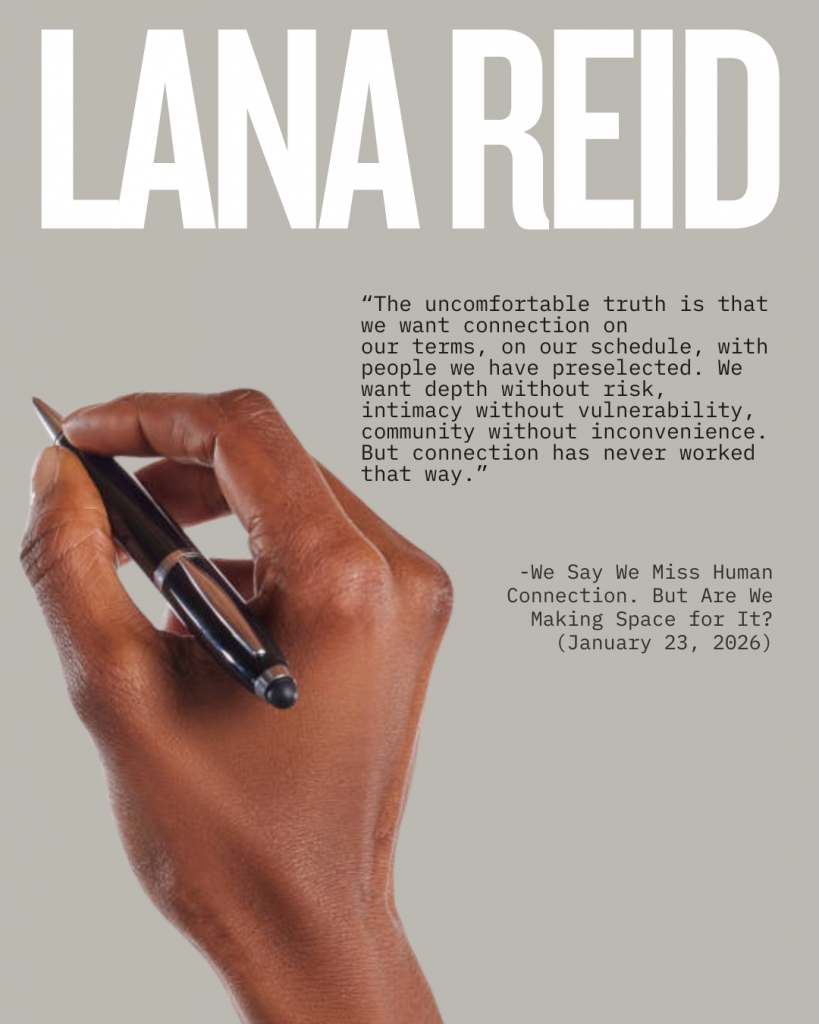
The uncomfortable truth is that we want connection on our terms, on our schedule, with people we have preselected. We want depth without risk, intimacy without vulnerability, community without inconvenience. But connection has never worked that way. It has always required presence, availability, and the willingness to be interrupted by people whose stories we did not ask to hear.
Sometimes being visibly available is enough. Not grand gestures. Not elaborate community-building initiatives. Just the quiet choice to exist in public as someone who can be approached, spoken to, and seen.
It costs almost nothing. And it might be one of the most radical acts of resistance we have left.